Both waxes are core lubricants in PVC processing, yet their origin, structure, and cost-performance differ markedly. This article uses real Heyee Chem grades to help you define your solution.
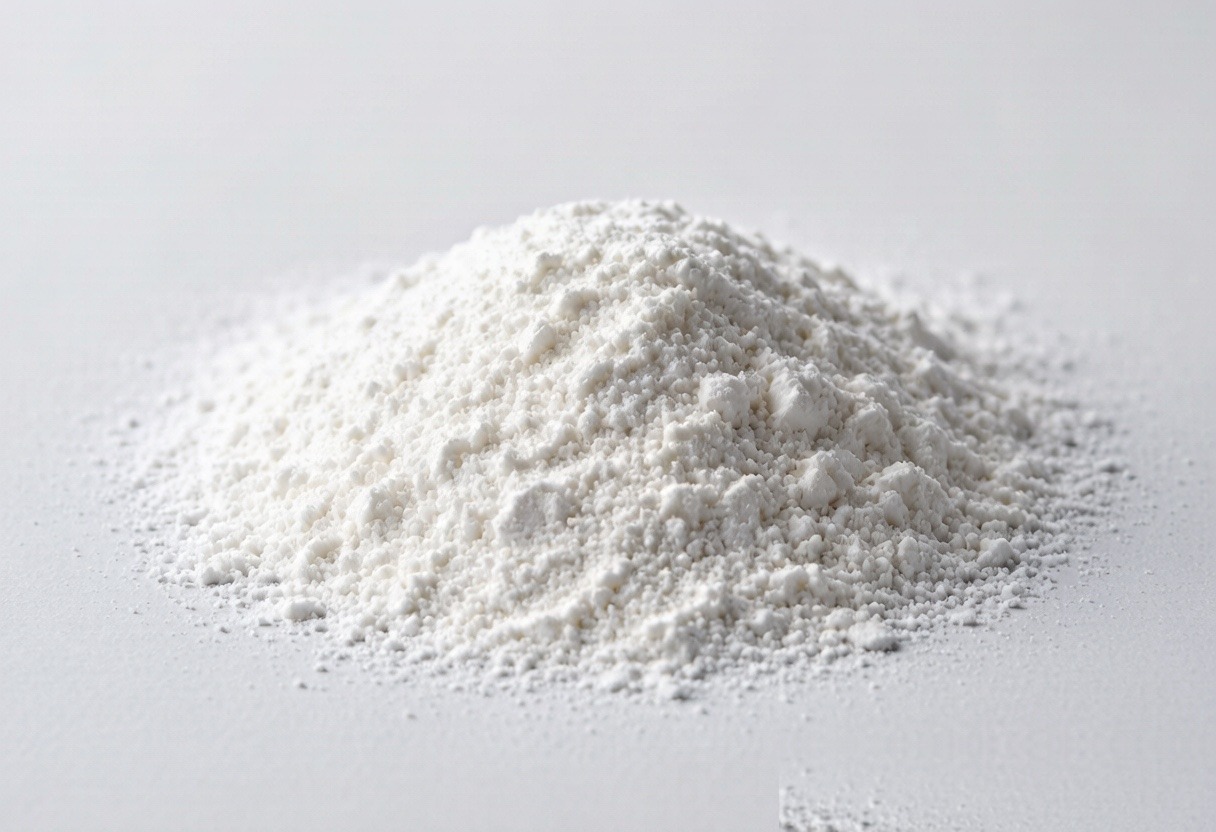
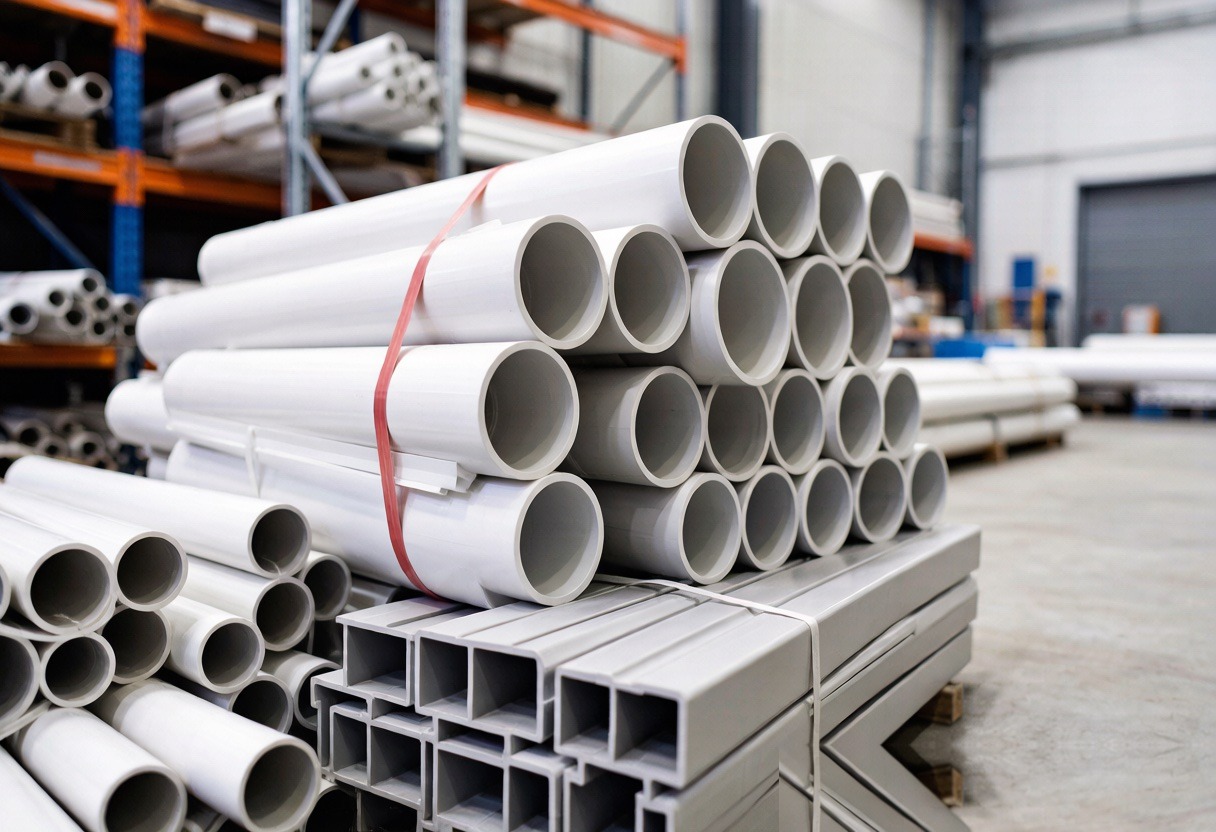
| Dimension | Fischer–Tropsch wax (Heyee HY series) | Polyethylene wax (Heyee HY series) |
|---|---|---|
| Melting point range | 80–110℃ (controllable, narrow distribution) | Broader (e.g., HY-40 softening point ≥116℃) |
| Purity / color | High, white | Medium |
| Lubrication efficiency | High (effective at low dosage) | Medium |
| Thermal stability | Excellent | Good |
| Cost | Higher | Low |
| Grade | Dropping point / Congealing point | Form | Typical application |
|---|---|---|---|
| HY-W104 | Dropping point ≥117℃ / Congealing point 102–108℃ | White powder | High-end micronized wax, hot-melt adhesive, PVC |
| HY-102 | Dropping point >110℃ / Congealing point 99–103℃ | White powder | Hot-melt adhesive, coatings, PVC |
| HY-W80 (mid-melting) | Dropping point 88℃ / Congealing point 78–86℃ | White micro-beads | Ink, hot-melt adhesive, PVC |
| HY-115 / 115P / 115M | Dropping point >110℃ / Congealing point 99–103℃ | Powder / micro-beads | General-purpose |
| Grade | Dropping point / Softening point | Form | Typical application |
|---|---|---|---|
| HY-7100D | Dropping point ≥100℃ / Congealing point ≥95℃ | White granules | PVC processing, rubber, hot-melt adhesive (lubrication + dispersion) |
| HY-40 | Softening point ≥116℃ / Melting point >106℃(DSC) | White micro-beads | PVC, hot-melt adhesive, masterbatch (149℃ viscosity 20–40 cP) |
| HY-OPE-16 (oxidized PE) | Dropping point 102–108℃ / Congealing point 94–98℃ | Micro-beads | PVC processing, wax emulsion, release lubrication (acid value 14–18, viscosity 200–300 cP) |
| HY-OPE-16B (oxidized PE) | Dropping point ≥110℃ / Congealing point ≥98℃ | Micro-beads | High-end PVC wax emulsion (high purity, good lubricity) |
High-end performance / Thermal stability / Surface gloss → Fischer–Tropsch wax HY-W104, HY-102 (PVC stabilizers, high-end hot-melt adhesive)
Cost-performance / Masterbatch / Ink dispersion → Polyethylene wax HY-40, HY-7100D
Aqueous / Emulsion systems → Oxidized series HY-OPE-16, HY-9128
In scenarios with high demands for thermal stability and surface quality—such as PVC stabilizers and hot-melt adhesives—the narrow distribution and high purity of Fischer–Tropsch wax reduce plate-out, improve gloss, and raise yield, so it is usually worthwhile. For purely cost-sensitive mass dispersion applications (e.g., common masterbatches, inks), PE wax can be used to cut costs.
Yes, they can share a line, but residues must be thoroughly cleaned when switching grades to avoid cross-contamination between waxes of different polarity that would affect batch stability. A transition purge between batches is recommended and should be recorded.
For cost-effectiveness and dispersibility, polyethylene wax is the choice (Heyee HY-7100D, dropping point ≥100℃; HY-40, softening point ≥116℃). If higher whiteness, narrower distribution, and surface gloss are required (e.g., high-end masterbatch, coatings), the Fischer–Tropsch wax HY-W80 / HY-115 series is the better option.
For aqueous/emulsion systems, oxidized wax should be selected: oxidized Fischer–Tropsch wax (HY-9128, HY-104-28, acid value 27–30) or oxidized polyethylene wax (HY-OPE-16 series, acid value 14–18, viscosity 200–300 cP). The polar groups provide emulsification and interfacial compatibility.
